Yields: 6 servings
Prep Time: 10 mins
Total Time: 40 mins
Ingredients:
6 slices bacon (chopped)
1 lb. shrimp (tails removed)
2 tsp. Cajun seasoning
Kosher salt
Freshly ground black pepper
1 tbsp butter
1 medium onion (chopped)
2 cloves garlic (minced)
2 tbsp all-purpose flour
1 lb yellow potatoes (chopped)
4 c low-sodium chicken broth
3 thyme sprigs
2 green onions (plus more for garnish)
3 c. sweet corn
3/4 c heavy cream
1/2 tsp paprika
Directions:
Season shrimp all over with Cajun seasoning sal, and pepper. In a large pot over medium hea, cook bacon until crispy (about 6 minutes)
Drain bacon pieces on a paper towel-lined plate. Add shrimp to bacon fat and cook until pink (about 2 minutes per side) Transfer shrimp to plate with bacon. Drain bacon fat then melt butter in pot scraping up any browned bits with a wooden spoon.
Add onion and cook until soft (about 5 minutes) Stir in garlic and flour and cook 30 seconds more. Add potatoes broth thyme and green onions and bring to a boil. Reduce heat cover and simmer until potatoes are tender (about 10 minutes)
Stir in corn and cream simmer 5 minutes more. Turn off heat while stirring in cooked shrimp, season with salt, pepper, and paprika to taste.
Garnish each serving with bacon.
Wednesday, December 26, 2018
Saturday, December 22, 2018
Sweet Potato Pone/Pain Patate
One of many street foods of old New Orleans, along with ginger cake, calas, almond sticks, pralines supplemented the first foods of the banquette. (sidewalk) Such as while the levee oyster men were kept busy opening fresh oysters for customers; another favorite Sunday pleasure was candied fruit. These edible wares were usually sold by Negro women wearing bright tignons and balancing on their heads large baskets of their wares, products. The custom on Sunday was to parade around the Place d'Armes or Jackson Square where small stands sold fruit, sweet cakes and ginger beer.
![]() |
| Showing Several Different Versions |
Although she doesn't remember pain patate vendors, she knows the dish. "It's like a potato bread, a sweet potato pone that they call Pain Patate." Chase said. "You work with the sweet potatoes raw." Her recipe in The Dooky Chase Cookbook does not call for black pepper. However, she says, "You know people always put a little black pepper in sweets,for some uncanny reason? Like when they whipped cream with black pepper for strawberries." (Her sweet potato pone recipe comes with a story as a lot of recipes do)
Here is Leah Chase's version, from The Dooky Chase Cookbook. It is listed in the chapter on breads and breakfast foods.
Sweet Potato Pone (Makes 6 to 8 servings)
![]() |
| Version Two |
4 large sweet potatoes
1 stick (1/2 cup) butter
3 cups sugar
6 eggs, beaten
1 cup Pet milk
1 cup water
1 teaspoon cinnamon
1/2 teaspoon allspice
1 tablespoon vanilla
Grated nutmeg
Peel and grate sweet potatoes. Mix butter and sugar together. Slowly add eggs to mixture and mix well. While stirring, rapidly add milk and water. Stir until mixture is smooth. Add cinnamon, allspice, vanilla and grated sweet potatoes.
Grease a glass baking dish. Add sweet potato mixture to baking dish and sprinkle top with grated nutmeg. Bake at 300 degrees until pudding is set.
An adaptation of the Ursuline Cookbook recipe (Recipes & Reminiscences of New Orleans by The Ursuline Alunmnae Association, author)
Sweet Potato Pone/Pain Patate (Makes 4 servings)
![]() |
| Another Version |
1/3 cup brown sugar
3 eggs, well beaten
2 cups peeled, grated sweet potatoes (two extra large)
1/2 cup milk
1/4 cup molasses
Grated rind of 1/2 orange and 1 lemon
1/4 teaspoon cinnamon
1/4 teaspoon nutmeg
1/8 teaspoon salt
1/8 teaspoon ground cardomom
1/8 teaspoon ground cloves
1/2 (or more) teaspoon black pepper
Cream butter and sugar together and blend in eggs. Add potatoes, milk and spices. Stir in molasses, orange and lemon rind.
Pour into buttered loaf pan. Bake at 325 degrees for 1 hour and 30 minutes, or until browned and crisp on top.
Thanks to Susan Tucker and archivist Mary-Allen Johnson of the Newcomb Archives, Newcomb College Center for Research on Women, for the recipes by Land and Bremmer.
For several years I worked the professional chef's booth at JazzFest, the New Orleans Jazz and Heritage Festival; here's their version,
2-1/2 pounds sweet potatoes
1/4 cup melted butter
2 eggs
1/4 cup dark brown sugar (firmly packed)
1/2 cup milk
1-1/2 tablespoons vanilla extract
1/4 cup light molasses
1/2 teaspoon salt
1/2 teaspoon cinnamon
1/4 teaspoon nutmeg
1/8 teaspoon cloves
1 teaspoon grated orange zest (do not include the white pith, which is bitter)
Preheat oven to 375°F.
Cook the potatoes unpeeled until tender throughout. Let cool. Peel and mash the potatoes, then stir in melted butter.
In a bowl, beat the eggs, add sugar and beat thoroughly. Add milk, vanilla, molasses, salt, cinnamon, nutmeg, cloves and orange zest. Beat until well blended. Stir into mashed sweet potatoes, then mix until well blended.
Place the mixture into a buttered 1-1/2 quart baking dish. Optionally, you may sprinkle the top of the pone with additional brown sugar. Cover with foil and bake for 50 minutes; uncover, then bake for 10 minutes. Allow the pone to cool completely before serving.
Friday, December 21, 2018
Cajun-Stuffed Chicken
Yields: 4 Servings
Prep Time: 5 mins
Cook Time: 25 mins
Total Time: 30 mins
Ingredients:
2 tbsp. extra-virgin olive oil
1 c. medium onion, diced
1 c. red and green bell pepper (diced)
Kosher salt
Freshly ground black pepper
4 boneless skinless chicken breasts
1 c cheddar (shredded)
2 tbsp Cajun seasoning
Directions:
Preheat oven to 350°.
In a large ovenproof skillet over medium heat, heat oil.
Add onions and peppers and cook until soft (5 minutes)
Season with salt and pepper.
Remove from heat and let cool slightly.
With a sharp paring knife create a pocket in each chicken breast.
Stuff each with vegetable mixture, then top with cheddar.
Lastly season chicken with Cajun seasoning, salt, and pepper,
Then place chicken in skillet and bake until cooked through (about 25 minutes)
Prep Time: 5 mins Cook Time: 25 mins
Total Time: 30 mins
Ingredients:
2 tbsp. extra-virgin olive oil
1 c. medium onion, diced
1 c. red and green bell pepper (diced)
Kosher salt
Freshly ground black pepper
4 boneless skinless chicken breasts
1 c cheddar (shredded)
2 tbsp Cajun seasoning
Directions:
Preheat oven to 350°.
In a large ovenproof skillet over medium heat, heat oil.
Add onions and peppers and cook until soft (5 minutes)
Season with salt and pepper.
Remove from heat and let cool slightly.
With a sharp paring knife create a pocket in each chicken breast.
Stuff each with vegetable mixture, then top with cheddar.
Lastly season chicken with Cajun seasoning, salt, and pepper,
Then place chicken in skillet and bake until cooked through (about 25 minutes)
Monday, December 10, 2018
Cajun Shrimp Tacos with Mango-Avocado Salsa
Yields: 4 Prep Time: 15 mins Total Time: 20 mins
Ingredients:
1 lb. large shrimp, peeled and deveined
1 1/2 tbsp. Cajun seasoning
2 cloves garlic, minced
1 tbsp. extra-virgin olive oil
kosher salt
Freshly ground black pepper
1 tbsp. butter
2 mangos, chopped (1 1/2 cups)
2 avocados, diced
Juice of 1 lime
1/2 small red onion, chopped
1 jalapeño, chopped (seeded for less heat)
1 tbsp. chopped fresh cilantro
8 small corn tortillas
2 c. shredded red cabbage (1/4 head)
Lime wedges, for serving
Directions:
In a large baking dish, combine shrimp, Cajun seasoning, garlic, and olive oil. Season with salt and pepper and toss until shrimp is fully seasoned.
In a large skillet over medium heat, melt butter. Add shrimp and cook until pink, 3 to 4 minutes, flipping once.
Make mango salsa: In a medium bowl, combine mango, avocado, lime juice, red onion, jalapeño, and cilantro. Season with salt.
Make tacos: Top tortillas with red cabbage, shrimp, and mango salsa. Serve with lime wedges.
Seafood Gumbo
Seafood gumbo, packed with shrimp, oysters, red snapper, and, especially Louisiana blue crab, is a classic South Louisiana dish. Our warm, waters help our crabs get nice and fat, that lends a sweetness to the seafood gumbo. (I think blue crabs really are the very best) For gumbo, when the roux reaches a deep dark chocolate brown color it is done. At that point you would add your seasonings, such as onion, garlic, bell pepper and celery etc. (you can make the roux ahead of time kept tightly covered in the frige or freezer)
Recipe for Gumbo makes 6 to 8 servings
Ingredients
1 cup vegetable oil
1 cup all-purpose flour
1½ cups chopped onion
1 cup chopped green bell pepper
1 cup chopped red bell pepper
1 cup chopped celery
3 tablespoons minced garlic
3 cups chopped okra
6 cups seafood stock
2 tablespoons filé powder
2 bay leaves
2 teaspoons Cajun seasoning
1 (8-ounce) container crab claw meat
(picked free of shells)
2 (8-ounce) containers shucked oysters
(not me I don't do bi-valves)
3 teaspoons Worcestershire sauce
2 teaspoons kosher salt
1½ teaspoons cayenne pepper
1 pound medium fresh shrimp, peeled and deveined
1 pound red snapper fillets, chopped
¼ cup chopped fresh parsley hot cooked rice
Garnish: chopped green onion
Directions:
In an 8-quart stockpot, heat oil over medium heat for about 5 minutes; add flour, and stir together to form a roux. (Here's where I get into rouxs on a page by itself) Cook, stirring often, until roux is the color of peanut butter, about 20 minutes.
Add onion, bell pepper, celery, garlic, and okra. Cook vegetables, stirring often, for 5 minutes. Add beer, stock, bay leaves, Cajun seasoning, crab claw meat, Worcestershire, salt, and cayenne. Bring mixture to a boil; reduce heat to medium, and simmer for about 1 hour.
Add shrimp, fish, oysters, and lump crabmeat to mixture. Cook for 8 to 10 minutes or until seafood is cooked through; add parsley.
Serve with rice, and garnish Withgreen onion, if desired.
Recipe for Gumbo makes 6 to 8 servings
Ingredients
1 cup vegetable oil
1 cup all-purpose flour
1½ cups chopped onion
1 cup chopped green bell pepper
1 cup chopped red bell pepper
1 cup chopped celery
3 tablespoons minced garlic
3 cups chopped okra
6 cups seafood stock
2 tablespoons filé powder
2 bay leaves
2 teaspoons Cajun seasoning
1 (8-ounce) container crab claw meat
(picked free of shells)
2 (8-ounce) containers shucked oysters
(not me I don't do bi-valves)
3 teaspoons Worcestershire sauce
2 teaspoons kosher salt
1½ teaspoons cayenne pepper
1 pound medium fresh shrimp, peeled and deveined
1 pound red snapper fillets, chopped
¼ cup chopped fresh parsley hot cooked rice
Garnish: chopped green onion
Directions:
In an 8-quart stockpot, heat oil over medium heat for about 5 minutes; add flour, and stir together to form a roux. (Here's where I get into rouxs on a page by itself) Cook, stirring often, until roux is the color of peanut butter, about 20 minutes.
Add onion, bell pepper, celery, garlic, and okra. Cook vegetables, stirring often, for 5 minutes. Add beer, stock, bay leaves, Cajun seasoning, crab claw meat, Worcestershire, salt, and cayenne. Bring mixture to a boil; reduce heat to medium, and simmer for about 1 hour.
Add shrimp, fish, oysters, and lump crabmeat to mixture. Cook for 8 to 10 minutes or until seafood is cooked through; add parsley.
Serve with rice, and garnish Withgreen onion, if desired.
Sunday, December 9, 2018
Roux
Roux is flour and any edible fat cooked together and used to thicken sauces. A Roux is typically made from equal parts of flour and fat. The flour is added to the melted fat or oil on the stove top (typically a cast iron pan) blended until smooth, then cooked to the desired level of brownness. (the description under *types) Clarified butter, vegetable oils, bacon drippings or lard are commonly used fats. Roux often is used as a thickening agent for gravy, sauces, soups and stews is, more often than not the base for a dish, other ingredients are added after the roux is complete.
The fat is most often **butter (see types below if clarified butter is not available) is used in French cuisine, but may be lard or vegetable oil; this gave rise to an expression when answering how to make whatever recipe desired as well as the title of a cook book I've used many times "First You Make a Roux". Roux being the base in three of sauces in classical French cooking: Béchamel sauce, Velouté sauce, and Espagnole sauce. Central European cuisine uses lard in its rendered form (I was brought up on this method our culture being heavily influenced by Europe)
** More recently vegetable oil instead of butter in the preparation of roux vegetable oil is used when producing dark roux, for it does not burn at high temperatures, as butter would (believe you me ya don't wanna burnt roux) In Cajun cuisine, roux is made with bacon fat or oil instead of butter and cooked to a medium or dark brown color, which lends much richness of flavor, albeit less thickening power.
The fat is heated in a pot or pan (melting it if necessary) then the flour is slowly added stirring until there no raw flour taste and the desired color has been achieved. (the final color can range from nearly white to almost black, depending on the length of time it is heated and its intended use. (end result being thickening as well as flavoring)
For meat gravies, fat from whichever meat is often used when rendering. In some regional American cuisines, bacon is sometimes rendered to produce fat to use in the roux.
*Types
Light (béchamel or "white") roux provides little flavor other than a characteristic richness to a dish is used in French cooking and other styles throughout the world. Darker roux is made by browning the flour in oil for a longer time, which adds a nutty and the richer the flavor to the dish .
Dark roux is often made with vegetable oils, which have a higher smoke point than butter, these are used in the making for gumbos and stews. The darker the roux, the less thickening power it has; a chocolate roux has about one fourth the thickening power, of a white roux. A very dark roux, just shy of burning and turning black, has a reddish color and is sometimes referred to as "brick" roux.
Here are some Youtube videos tutorials on Roux
How To Make A Roux
https://www.youtube.com/watch?v=aGS89KtrBnM
How To Make A Roux From Scratch - YouTube
https://www.youtube.com/watch?v=y8rWFSbBtak
The fat is most often **butter (see types below if clarified butter is not available) is used in French cuisine, but may be lard or vegetable oil; this gave rise to an expression when answering how to make whatever recipe desired as well as the title of a cook book I've used many times "First You Make a Roux". Roux being the base in three of sauces in classical French cooking: Béchamel sauce, Velouté sauce, and Espagnole sauce. Central European cuisine uses lard in its rendered form (I was brought up on this method our culture being heavily influenced by Europe)
** More recently vegetable oil instead of butter in the preparation of roux vegetable oil is used when producing dark roux, for it does not burn at high temperatures, as butter would (believe you me ya don't wanna burnt roux) In Cajun cuisine, roux is made with bacon fat or oil instead of butter and cooked to a medium or dark brown color, which lends much richness of flavor, albeit less thickening power.
The fat is heated in a pot or pan (melting it if necessary) then the flour is slowly added stirring until there no raw flour taste and the desired color has been achieved. (the final color can range from nearly white to almost black, depending on the length of time it is heated and its intended use. (end result being thickening as well as flavoring)
For meat gravies, fat from whichever meat is often used when rendering. In some regional American cuisines, bacon is sometimes rendered to produce fat to use in the roux.
*Types
Light (béchamel or "white") roux provides little flavor other than a characteristic richness to a dish is used in French cooking and other styles throughout the world. Darker roux is made by browning the flour in oil for a longer time, which adds a nutty and the richer the flavor to the dish .
Dark roux is often made with vegetable oils, which have a higher smoke point than butter, these are used in the making for gumbos and stews. The darker the roux, the less thickening power it has; a chocolate roux has about one fourth the thickening power, of a white roux. A very dark roux, just shy of burning and turning black, has a reddish color and is sometimes referred to as "brick" roux.
Here are some Youtube videos tutorials on Roux
How To Make A Roux
https://www.youtube.com/watch?v=aGS89KtrBnM
How To Make A Roux From Scratch - YouTube
https://www.youtube.com/watch?v=y8rWFSbBtak
Monday, April 2, 2018
Divinity Fudge
Old fashioned divinity candy recipe a wonderful sweet treat, a Southern confection that is perfect for adding to a plate of goodies shared with loved ones during the holidays! That's when I remember best eatting it; I love, but have never made but often eatten it.
I’m surmising few people have heard of it, let alone tasted it. (unless you grew up in the South) As I said I haven't made but have eaten tons w/pecansand w/out; I’ve compiled several recipes.
The classic vintage candy recipe, a meringue-based candy that could be described as somewhere between a nougat & marshmallow (a light, super-sweet, airy confection which tastes, divine, hence the name; although there is no chocolate, that I know of, it's still called Divinity Fudge)
It's made with just a few ingredients granulated sugar, corn syrup, and water boiled together with a pinch of salt until they reach a hard ball stage before very slowly pouring the liquid sugar mixture over stiff egg whites in a thin, steady stream. Then chopped pecans and a little vanilla are stirred in at the end for texture and flavor.
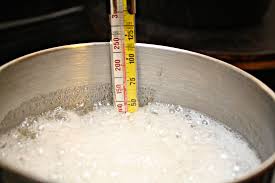
You will want a candy thermometer (a must) for this recipe, because if you don’t bring the sugar/corn syrup mixture up to 260 degrees F before slowly adding it to stiff egg whites while beating, then candy won’t set. (You’ll need a stand mixer as well as the candy thermometer apparently, in the divinity-making affair if the syrup isn’t cooked to hard ball stage the divinity won’t set. As persnicty as I am) Kudos for modern technology. Give me a gadget & I'm there. I keep thinking what a challenge doing it all the old fashioned way; throwing the mixture in cold water for hardball determination)
Ingredients: 2 cups (400gr) sugar
½ cup (120ml) light corn syrup
½ cup (120ml) water
2 egg whites
2 teaspoons pure vanilla extract
Pecan halves
Directions:
1) Line a cookie sheet with parchment paper or a silpat mat and set aside.
2) In a heavy-bottomed medium saucepan over medium heat, combine the sugar, water, corn syrup and salt and cook stirring occasionally until the mixture starts to boil clip the candy thermometer to the side of the pan and continue to cook without stirring until the temperature reaches 260 degrees F (about 8-10 minutes)
3) change to cooking the mixture on low heat stirring continuously until sugar is completely dissolved.
4) Turn the heat back up to medium high and continue to cook the mixture without stirring until it reaches 250°F on candy thermometer.
5 ) While the sugar mixture is cooking, beat the egg whites on high speed using a hand electric mixer or stand mixer until stiff peaks form. Once the sugar mixture reaches 260 degrees, remove from heat and very slowly pour it in a thin, steady stream, over the egg whites while mixing on high speed. (2 minutes for pouring/beating the egg whites; go slow and I hear tell don't rush this step)
6) Continue to beat on high speed for another 5-8 minutes until the candy loses some of its glossiness and starts to hold its shape. You can stop mixing and test a small amount of candy by dropping a small spoonful of it onto the parchment paper to see if it holds its shape in a nice mound w/ swirls on top or if it melts down into a puddle.
7) If the divinity doesn't hold its shape yet continue to beat a minute or two longer, test again, mix in the chopped pecans and vanilla when the candy stays in a mound nstead of melting into itself.
8) Using two spoons sprayed lightly with cooking spray, drop tablespoon size scoops of divinity onto the prepared baking sheet, using one spoon to scrape the hot candy off the other spoon. You will want to work quickly while the candy is still hot.
9) Let the candy set, then store for up to 5 days in an airtight container.
(As I said kudos to modern technology, you’ll need a stand mixer and a candy thermometer a must; if the syrup isn’t cooked to hard ball stage, your divinity won’t set, ah well)
Recipe Notes
From everything I have heard or seen divinity can be finicky about setting up on humid days. I haven't experienced this firsthand, not having made it but thought I would give y'all heads up; you might not want to make the divinity on a raining day. (choose another day, a drier one. If you wish colored divinity, for the season) prepare a piping bag with large round tip and draw a few lines with red and green gel food coloring inside the piping bag then transfer the divinity mixture into prepared piping bag and pipe out 2-inch rounds on prepared sheet. (I prefer it white)
Rest divinity at room temperature for at least 2 hours to set, or overnight. (The candies should set in about 2 hours) They can be stored in airtight container at room temperature for up to 2 weeks. You can also freeze them in airtight container for up to 2 months.
(There are two tests/tips to help you out w/testing to make certain candy is done) The trickiest part to making this old fashioned divinity candy recipe is knowing when it's ready to be dropped into little mounds or poured into a pan to set, so I've heard)
1st test is by turning off your mixer and lifting the beaters. If the candy falls back into the bowl in ribbons that immediately merge back into themselves, it's not done and you need to keep beating. Eventually, it will lose it’s glossiness and sheen stop being so sticky, that means it’s ready.
The 2nd is even easier, I'm thinking, because all you do, if you are having a hard time telling whether the divinity is still glossy or not, drop a teaspoonful of candy onto wax paper if the candy will hold its shape 'tis ready; if it puddles no, if it holds a peak and stays in a nice mound, you are good to go.
Using two spoons sprayed lightly with cooking spray, drop tablespoon size scoops of divinity onto the prepared baking sheet, using one spoon to scrape the hot candy off the other spoon. You will want to work quickly while the candy is still hot. Let the candy set, then store for up to 5 days in an airtight container.
Divinity Candy Variations
While perusing recipes I discovered these Divinity variations because the base itself is such a great backdrop for mix-ins like pecans chosen here. But some other great flavor ideas could be stirred possibly in the following combinations.
Walnuts and 1 teaspoon of maple extract for maple walnut divinity
Crushed peppermint sticks for peppermint divinity (good for Christmas)
Maraschino cherries for maraschino cherry divinity
2 cups coconut for coconut divinity
Almond extract with dried cranberries for cranberry almond divinity
You can color any batch of divinity with just a couple of drops of food coloring just to change things up. (I prefer the white look and nutty taste of the classic old fashioned divinity candy recipe I remember eating)
(a bonus recipe)
Divine Divinity Fudge
Recipe courtesy of Emeril Lagasse
Total:25 min Prep: 5 min Cook: 20 min
Yield: about 24 pieces
Ingredients
2 large egg whites
2 cups sugar
1/2 cup light corn syrup
1/2 cup water
1 teaspoon pure vanilla extract
1/2 cup pecans
Directions
Beat the egg whites with an electric mixer until stiff. Line a baking sheet with parchment or waxed paper. Put the sugar, corn syrup, and water in a medium-size heavy saucepan over medium-high heat. Stir to dissolve the sugar, bring to a boil and cook until the temperature reaches 260 degrees F on a candy thermometer, or the hard-ball stage, when a bit of the mixture dropped into cold water holds its shape, 10 to 15 minutes. Remove from the heat. Pour in a thin steady stream into the beaten egg whites and beat with an electric mixer on high for about 3 minutes, scraping down the sides of the bowl. Add the vanilla, and continue beating on high just until the candy starts to lose its gloss, 5 to 6 minutes. When the beaters are lifted, the mixture should fall in a ribbon that mounds on itself.
Cook's Note
If the mixture flattens out, beat again for 1 minute more. If the mixture is too thick to drop, beat in a few drops of hot water until the candy is a softer consistency. Add the pecans, stir to mix, and quickly drop the mixture by tablespoons onto the prepared sheet. Place the candies on a serving candy dish and pass. **(If the candy is poured into a pan and cut into squares, you should have about 48 pieces
yield: 20-30 Candy, depending on size)
![]() |
| Divinity Fudge |
The classic vintage candy recipe, a meringue-based candy that could be described as somewhere between a nougat & marshmallow (a light, super-sweet, airy confection which tastes, divine, hence the name; although there is no chocolate, that I know of, it's still called Divinity Fudge)
It's made with just a few ingredients granulated sugar, corn syrup, and water boiled together with a pinch of salt until they reach a hard ball stage before very slowly pouring the liquid sugar mixture over stiff egg whites in a thin, steady stream. Then chopped pecans and a little vanilla are stirred in at the end for texture and flavor.
You will want a candy thermometer (a must) for this recipe, because if you don’t bring the sugar/corn syrup mixture up to 260 degrees F before slowly adding it to stiff egg whites while beating, then candy won’t set. (You’ll need a stand mixer as well as the candy thermometer apparently, in the divinity-making affair if the syrup isn’t cooked to hard ball stage the divinity won’t set. As persnicty as I am) Kudos for modern technology. Give me a gadget & I'm there. I keep thinking what a challenge doing it all the old fashioned way; throwing the mixture in cold water for hardball determination)
![]() |
| Divinity Fudge w/ pecans |
½ cup (120ml) light corn syrup
½ cup (120ml) water
2 egg whites
2 teaspoons pure vanilla extract
Pecan halves
Directions:
1) Line a cookie sheet with parchment paper or a silpat mat and set aside.
2) In a heavy-bottomed medium saucepan over medium heat, combine the sugar, water, corn syrup and salt and cook stirring occasionally until the mixture starts to boil clip the candy thermometer to the side of the pan and continue to cook without stirring until the temperature reaches 260 degrees F (about 8-10 minutes)
3) change to cooking the mixture on low heat stirring continuously until sugar is completely dissolved.
4) Turn the heat back up to medium high and continue to cook the mixture without stirring until it reaches 250°F on candy thermometer.
5 ) While the sugar mixture is cooking, beat the egg whites on high speed using a hand electric mixer or stand mixer until stiff peaks form. Once the sugar mixture reaches 260 degrees, remove from heat and very slowly pour it in a thin, steady stream, over the egg whites while mixing on high speed. (2 minutes for pouring/beating the egg whites; go slow and I hear tell don't rush this step)
6) Continue to beat on high speed for another 5-8 minutes until the candy loses some of its glossiness and starts to hold its shape. You can stop mixing and test a small amount of candy by dropping a small spoonful of it onto the parchment paper to see if it holds its shape in a nice mound w/ swirls on top or if it melts down into a puddle.
7) If the divinity doesn't hold its shape yet continue to beat a minute or two longer, test again, mix in the chopped pecans and vanilla when the candy stays in a mound nstead of melting into itself.
8) Using two spoons sprayed lightly with cooking spray, drop tablespoon size scoops of divinity onto the prepared baking sheet, using one spoon to scrape the hot candy off the other spoon. You will want to work quickly while the candy is still hot.
9) Let the candy set, then store for up to 5 days in an airtight container.
(As I said kudos to modern technology, you’ll need a stand mixer and a candy thermometer a must; if the syrup isn’t cooked to hard ball stage, your divinity won’t set, ah well)
Recipe Notes
From everything I have heard or seen divinity can be finicky about setting up on humid days. I haven't experienced this firsthand, not having made it but thought I would give y'all heads up; you might not want to make the divinity on a raining day. (choose another day, a drier one. If you wish colored divinity, for the season) prepare a piping bag with large round tip and draw a few lines with red and green gel food coloring inside the piping bag then transfer the divinity mixture into prepared piping bag and pipe out 2-inch rounds on prepared sheet. (I prefer it white)
Rest divinity at room temperature for at least 2 hours to set, or overnight. (The candies should set in about 2 hours) They can be stored in airtight container at room temperature for up to 2 weeks. You can also freeze them in airtight container for up to 2 months.
(There are two tests/tips to help you out w/testing to make certain candy is done) The trickiest part to making this old fashioned divinity candy recipe is knowing when it's ready to be dropped into little mounds or poured into a pan to set, so I've heard)
1st test is by turning off your mixer and lifting the beaters. If the candy falls back into the bowl in ribbons that immediately merge back into themselves, it's not done and you need to keep beating. Eventually, it will lose it’s glossiness and sheen stop being so sticky, that means it’s ready.
The 2nd is even easier, I'm thinking, because all you do, if you are having a hard time telling whether the divinity is still glossy or not, drop a teaspoonful of candy onto wax paper if the candy will hold its shape 'tis ready; if it puddles no, if it holds a peak and stays in a nice mound, you are good to go.
Using two spoons sprayed lightly with cooking spray, drop tablespoon size scoops of divinity onto the prepared baking sheet, using one spoon to scrape the hot candy off the other spoon. You will want to work quickly while the candy is still hot. Let the candy set, then store for up to 5 days in an airtight container.
Divinity Candy Variations
While perusing recipes I discovered these Divinity variations because the base itself is such a great backdrop for mix-ins like pecans chosen here. But some other great flavor ideas could be stirred possibly in the following combinations.
Walnuts and 1 teaspoon of maple extract for maple walnut divinity
Crushed peppermint sticks for peppermint divinity (good for Christmas)
Maraschino cherries for maraschino cherry divinity
2 cups coconut for coconut divinity
Almond extract with dried cranberries for cranberry almond divinity
You can color any batch of divinity with just a couple of drops of food coloring just to change things up. (I prefer the white look and nutty taste of the classic old fashioned divinity candy recipe I remember eating)
(a bonus recipe)
Divine Divinity Fudge
Recipe courtesy of Emeril Lagasse
Total:25 min Prep: 5 min Cook: 20 min
Yield: about 24 pieces
Ingredients
2 large egg whites
2 cups sugar
1/2 cup light corn syrup
1/2 cup water
1 teaspoon pure vanilla extract
1/2 cup pecans
Directions
Beat the egg whites with an electric mixer until stiff. Line a baking sheet with parchment or waxed paper. Put the sugar, corn syrup, and water in a medium-size heavy saucepan over medium-high heat. Stir to dissolve the sugar, bring to a boil and cook until the temperature reaches 260 degrees F on a candy thermometer, or the hard-ball stage, when a bit of the mixture dropped into cold water holds its shape, 10 to 15 minutes. Remove from the heat. Pour in a thin steady stream into the beaten egg whites and beat with an electric mixer on high for about 3 minutes, scraping down the sides of the bowl. Add the vanilla, and continue beating on high just until the candy starts to lose its gloss, 5 to 6 minutes. When the beaters are lifted, the mixture should fall in a ribbon that mounds on itself.
Cook's Note
If the mixture flattens out, beat again for 1 minute more. If the mixture is too thick to drop, beat in a few drops of hot water until the candy is a softer consistency. Add the pecans, stir to mix, and quickly drop the mixture by tablespoons onto the prepared sheet. Place the candies on a serving candy dish and pass. **(If the candy is poured into a pan and cut into squares, you should have about 48 pieces
yield: 20-30 Candy, depending on size)
Subscribe to:
Posts (Atom)